
Items
Items and resources in Deep Dish Dungeon: forage, crafting materials, weapons, tools, consumables and how the backpack rules shape every run.
Introduction
Items are the language Deep Dish Dungeon uses to describe progress. Almost everything you pick up is either an ingredient for cooking, a material for crafting or a supply you will consume on the way down, and the small backpack that holds them is one of the game's most consequential design choices. Because space is tight, a run is really a series of decisions about value: which forage is worth carrying, which materials justify the weight, and when generic loot should be left on the floor in favour of something that unlocks a recipe or a craft. The game gives you very little guidance about any of this, which is why understanding the categories of item matters more than memorising specific names. This section covers the main groups, from forage and crafting materials through weapons and consumables, and explains how the inventory rules shape every expedition so you can plan what to carry rather than discovering the limit at the worst moment.
Item Groups & Their Uses
| Tier | Focus | Key Point |
|---|---|---|
| Forage | Plants, fungi found in the dungeon | The base input for every cooking recipe |
| Crafting Materials | Ore, wood, cloth, scavenged parts | Tools, weapons, armour and facilities |
| Weapons & Tools | Swords, shields, bows, torches | Shapes what a run can actually attempt |
| Consumables | Meals and carried supplies | Restores health and stamina mid-run |
| Backpack | Your limited carrying capacity | Decides what is worth hauling home |
Item Categories
Forage
Plants, fungi and scavenged odds and ends gathered in the dungeon, which together form the base input for the entire cooking system.
Crafting Materials
The ore, wood, cloth and scavenged parts that the crafting station transforms into tools, weapons, armour and camp facilities.
Weapons & Tools
The crafted equipment that determines what a run can attempt, from light sources and weapons through bows, shields and utility tools.
Consumables
The meals and carried supplies that keep a run going, restoring health and stamina when a trip lasts longer than planned.
Backpack
The constraint that shapes every other decision, since limited storage forces a choice about what is worth carrying back to camp.
Core Mechanics
Items in Deep Dish Dungeon are organised by what they feed rather than by rarity. Forage feeds cooking, materials feed crafting, and both ultimately feed the camp that turns each expedition into permanent progress. Consumables are the exception, existing to extend a single run rather than to improve your character across many. Over all of it sits the backpack, a deliberately small container that converts picking things up into a decision rather than a reflex. That design has a clear consequence: an item's value is not fixed by its tier but by your current goals. A plant that unlocks a recipe is worth more than a higher-tier material you cannot yet use, and a crafting material that opens an essential tool beats a rare trinket that only fills a slot. Because the game offers almost no guidance about this, the practical skill is judgement, and the players who progress fastest are usually the ones who left the right things behind.
Advantages
The item system is tightly integrated, so almost nothing you find is wasted. Forage and materials both flow into systems that produce permanent improvements, which means a modest run that gathers the right things can be worth more than an ambitious one that fills its pack with junk. Because value depends on your goals rather than a fixed rarity ladder, there is genuine strategic depth in deciding what to carry, and that decision rewards players who understand their own priorities. The separation between permanent progression and consumable supplies is also clean, so you always know whether a given item is building toward something or merely sustaining a single trip. In co-op the system becomes collaborative, since a shared camp turns individual finds into collective progress and makes a well-organised party substantially more efficient than its members would be alone.
Challenges
The backpack is the least popular part of the game, and its constraints are a real source of frustration rather than a mild annoyance. Losing a full pack to a failed retreat feels disproportionate, and players regularly cite inventory handling as the weakest element of the design. The game also explains very little about what matters, so new players often carry the wrong things for hours before understanding the cooking and crafting loops that give items their value. Consumables add another layer of pressure, since running out mid-run is punishing but hard to predict on a first visit to a floor. And because the game is very new, specific recipes, material sources and station details remain only partly verified by the community, so treat any detailed item list as a working reference that will keep changing.
Frequently Asked Questions
What should I always carry?+
How do I stop losing items on death?+
Is the backpack ever upgraded?+
Which items actually matter?+
Quick Tips
Judge items by what they unlock, not by how rare they look. In Deep Dish Dungeon, a common plant that completes a recipe is worth more than an exotic material you cannot yet use, because value depends on your current camp and goals. Reviewing that judgement each session keeps your backpack full of things that actually move you forward.
Bank resources at camp more often than feels necessary. The loss on death is whatever you are carrying, so the cheapest insurance is frequency: several short trips that each bank their haul beat one long run that ends badly. Treating the return trip as a scheduled part of the expedition protects both your loot and your progress.
Never leave the last backpack slots to chance. Decide before you descend which categories matter this trip, then fill remaining space in that order as you explore. Improvising in a dark corridor usually means carrying generic loot home while a recipe ingredient stays on the floor where you found it.
Keep a spare of anything you cannot do without. A second torch or a backup tool costs little and removes the failure mode where a single item's loss ends a run that was otherwise going well. Essential redundancy is the cheapest form of risk management the game offers, and it fits in one slot.
In co-op, let specialists hold the materials. A shared camp means one well-organised player can manage the party's crafting stock and recipes, freeing everyone else to travel light and gather more. Distributing roles this way increases total haul per trip, which is usually the real bottleneck on progress. Fewer but better-chosen items almost always beat a backpack full of unknowns.
Featured
Deep Dish Dungeon Ingredient Items: Full Crafting Resource List
Catalog every Deep Dish Dungeon ingredient item with farming spots, crafting resource tiers, and currency routes that fuel gold, gear, and late-game recipes.

Deep Dish Dungeon Inventory Slots: Expand Capacity & Carry Smart
Master Deep Dish Dungeon inventory slots with backpack upgrade paths, drop rules, and carry strategies that stop you from leaving rare loot behind.
Deep Dish Dungeon Item Guide for Beginners: Locations & Tier List
Start your Deep Dish Dungeon item guide for beginners with item locations, a beginner gear tier list, and management tips that keep useful items ready.
All Articles

Deep Dish Dungeon How to Get Loot: Drops, Chests & Rare Spawns
Learn how to get loot in Deep Dish Dungeon faster — enemy drop tables, hidden chest routes, armor pickups, and torch plus arrow farming spots.
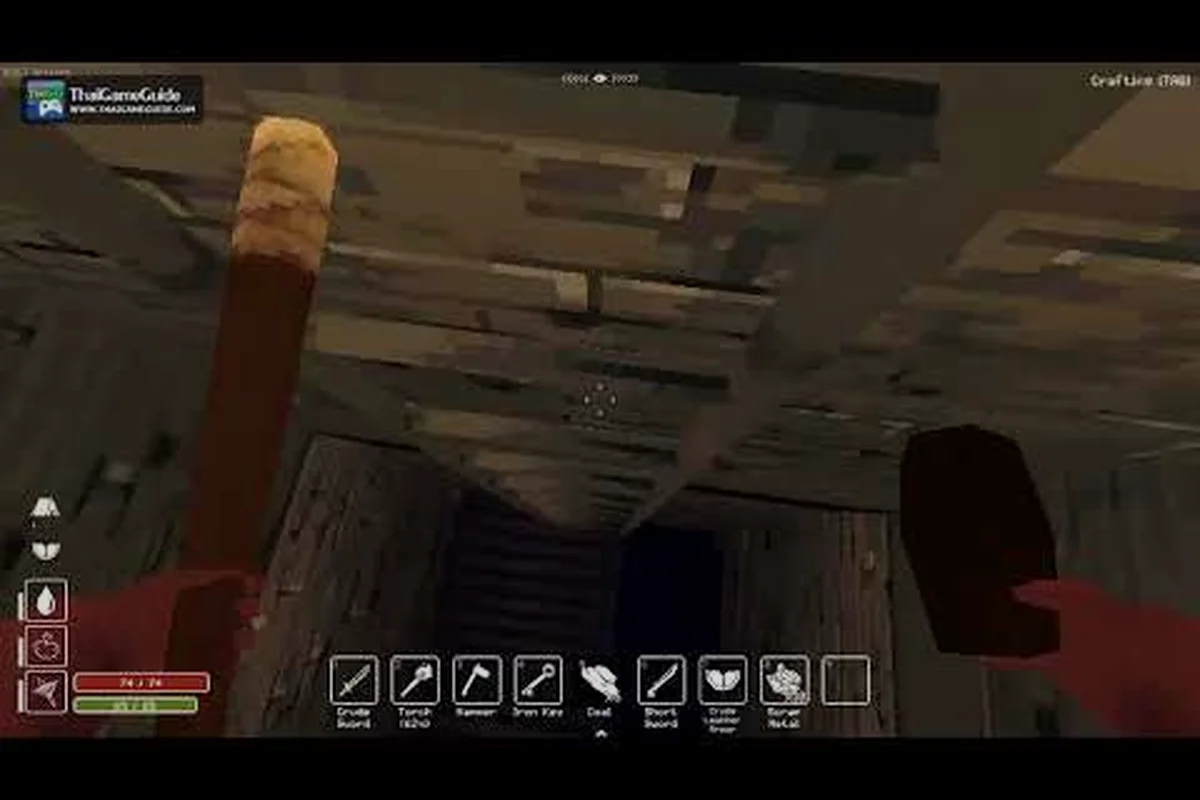
Deep Dish Dungeon Items Guide: Resources, Tools & Materials
Catalog every Deep Dish Dungeon item from foraged resources to crafted tools, with material locations, backpack priorities, and consumables worth carrying.
Deep Dish Dungeon Weapons List: Every Blade Ranked & Crafted
Scan the full Deep Dish Dungeon weapons list with damage tiers, material costs, and the crafting order that unlocks each blade for your run.