
Cooking
Cooking recipes and stations for Deep Dish Dungeon: which meals to cook, where ingredients come from, and how food turns into permanent stat upgrades.
Introduction
Cooking is the heart of Deep Dish Dungeon and its real progression system. Instead of levelling a character sheet, you improve your numbers by eating better. Meals apply lasting changes to your stats, so a new recipe is effectively an upgrade, and the ingredients behind it come from foraging rather than shops. That single design choice turns every plant, fungus and scavenged item into potential power, and it makes your campsite stations, not the dungeon, the place where progress actually happens. This category covers the stations you build, where ingredients come from, how recipe unlocks are gated and which meals are worth the resources they consume. Read it alongside the survival guides, because a meal plan is also your expedition schedule: what you cook decides how far you can safely go and how much you can carry home.
Cooking Stations & Meal Types
| Tier | Focus | Key Point |
|---|---|---|
| Cooking Pot | Basic meals with reliable stat effects | Every station build order starts here |
| Oven | Hearty food for longer, deeper runs | Long expeditions and stacked buffs |
| Infuser | Specialised infused meals with stronger effects | Late runs and hard floors |
| Foraged Ingredients | Feed every recipe you unlock | Gathered on the way out, not the way back |
| Preserved Supply | Stretched meal value across a run | Parties that want to travel light |
Stations & Ingredients
Cooking Pot
The core station that turns foraged ingredients into stat-boosting meals, and the first thing most players should build at camp.
Oven
The hearty-food station. Where the pot covers your baseline, the oven supports food that keeps a longer expedition supplied from start to finish.
Infuser
The late-game station, combining ingredients into infused meals whose effects are stronger or more focused than simple food.
Foraged Ingredients
Plants, fungi and scavenged items gathered inside the dungeon. Every recipe depends on them, which makes foraging a permanent priority.
Preserved Supply
The habit of stretching meal value across a whole run, so a party never wastes a cooked dish on a trip it cannot finish.
Core Mechanics
Cooking in Deep Dish Dungeon runs on a simple but strict chain: forage ingredients, return to camp, use the right station to turn them into a meal, and then carry that meal into the dungeon where its effect applies. The important detail is persistence. Unlike a potion you drink in an emergency, a cooked meal produces lasting changes to your stats, which is why the game treats a new recipe as an upgrade rather than a consumable. Stations gate what you can cook: the pot covers the baseline, the oven supports longer expeditions, and the infuser handles the specialised, stronger meals that later floors expect. Because ingredients are found rather than purchased, your recipe list grows with your exploration, and there is a real feedback loop between pushing a little further to find a new plant and coming home able to cook something meaningfully better.
Advantages
The best thing about cooking as a progression system is that it never punishes you for taking your time. Every ingredient you gather and every recipe you unlock carries forward, so even a failed expedition that reached a new plant is progress, and the power you build is permanent rather than a temporary buff that expires mid-run. Cooking also gives you genuine strategic choice: because different meals emphasise different stats, you can tailor a run to the threat you expect, whether that is a long supply-heavy descent or a short push against a dangerous floor. In co-op the system shines brightest, since one player can specialise entirely in cooking while others scout and fight, sharing the resulting meals across the whole party and multiplying the value of a single recipe. And because food is also survival, cooking and resource management reinforce each other instead of competing for attention.
Challenges
Cooking demands patience and planning that some players find tedious. Ingredients must be found, hauled home and stored, which means the backpack problem touches cooking constantly and a full pack can force you to leave a recipe ingredient behind. Recipes unlock gradually, so the early menu is thin and it is easy to feel that the system is not doing much until a few stations and ingredients are in place. The game also does not explain progression clearly, so it is possible to play for a while without realising that food rather than combat is the main growth axis. Because the game is new and balance patches are ongoing, specific meal effects and station details can shift, and community-reported station names should be treated as findings rather than official documentation.
Frequently Asked Questions
Is cooking optional or required?+
Which station should I build first?+
How do I get new recipes?+
Do meals stack on top of each other?+
Quick Tips
Forage on the way out, not only on the way back. Ingredients you collect while exploring cost nothing extra, whereas an empty pack at the station wastes the whole trip. Building the habit of grabbing every plant and fungus you pass keeps your recipe list growing and makes recipe unlocks arrive sooner than you expect.
Match the meal to the trip. A short scouting run with light food is efficient, while a long descent deserves your best recipe, so deciding the menu before you leave camp prevents you cooking expensive dishes for a run that ends after two rooms. This small habit saves ingredients across a session.
Build stations as soon as your ingredients outgrow the pot. Upgrading the campsite is what unlocks higher meal tiers, so a station you keep postponing is a recipe you are not yet allowed to cook. Spend early resources on cooking infrastructure and the returns carry forward every single run. Treat cooking infrastructure as an investment rather than a luxury purchase.
Treat a new recipe as a permanent upgrade, not a consumable. Because meals apply lasting stat changes, the day you unlock a better dish is the day your baseline improves, which means chasing a new ingredient is usually worth more than clearing one more room. Plan at least some runs around finding ingredients.
In co-op, let one player own cooking. A dedicated cook who stays on top of the party's forage and stations contributes more than a third fighter in most sessions, because the meals lift everyone at once. Agree the role before you descend so nobody wastes a backpack slot on duplicated supplies.
Featured

Deep Dish Dungeon Best Early Recipes: Forage, Cook & Survive
Find the Deep Dish Dungeon best early recipes with fast forage routes, easy cook steps, and the lasting stat buffs that carry your first expeditions forward.
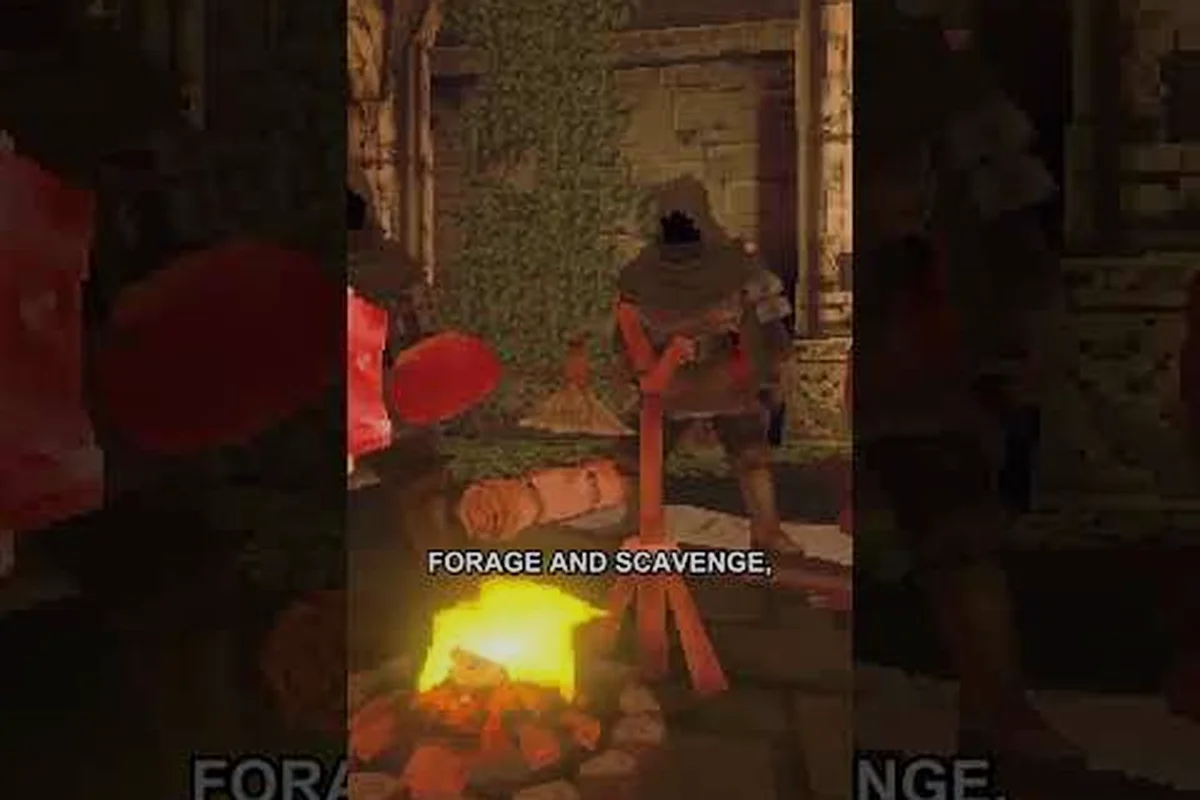
Deep Dish Dungeon Cooking Guide: Every Recipe & Lasting Buff
Master the Deep Dish Dungeon cooking guide with every pot, oven, and infuser recipe plus the lasting stat-buff meals worth cooking on every run.
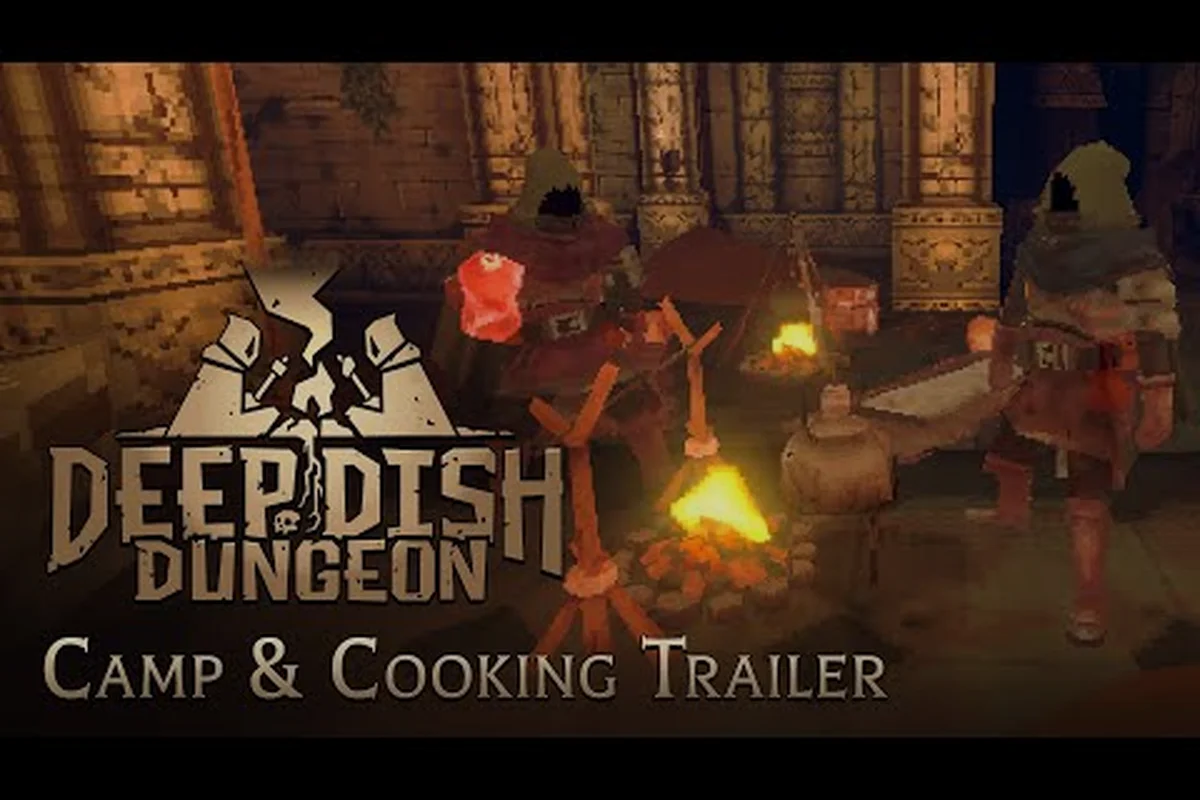
Deep Dish Dungeon Food Guide: Where to Find Ingredients
Find every ingredient fast in this Deep Dish Dungeon food guide — learn foraging spots, meal effects, and which stat-boosting dishes to unlock first.
All Articles
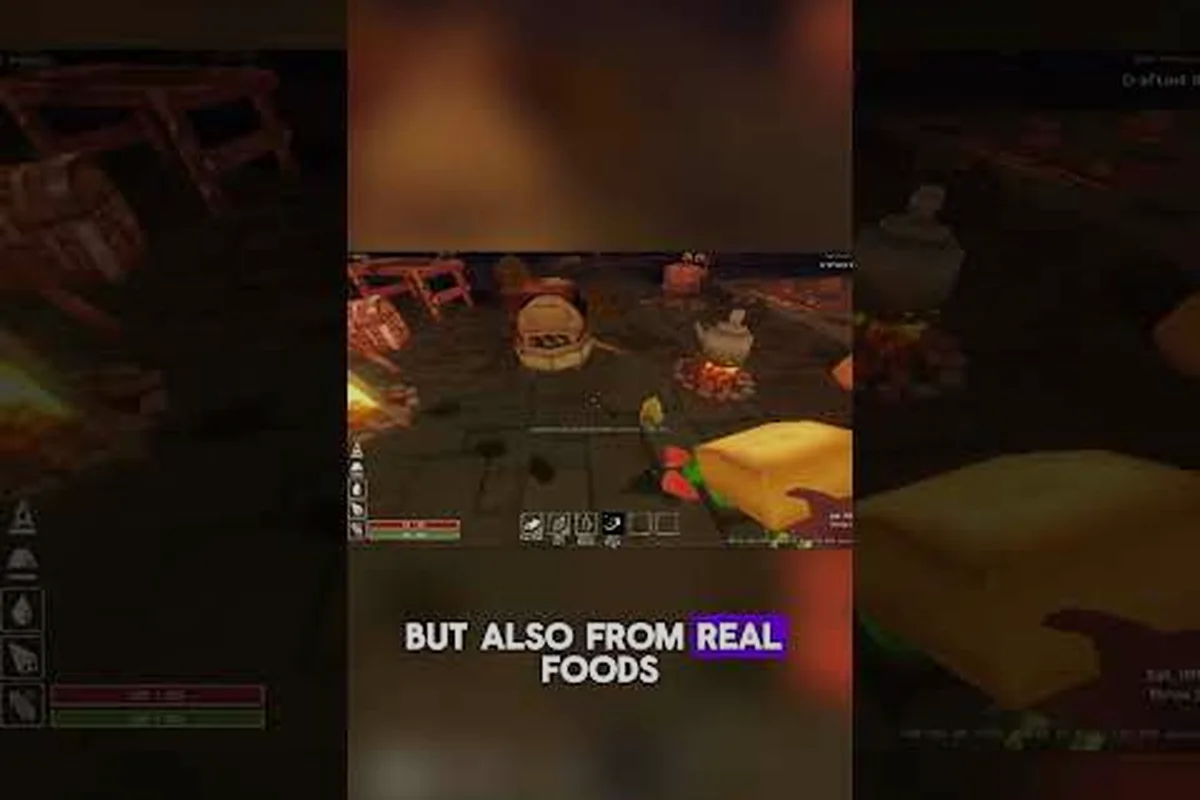
Deep Dish Dungeon Recipe Effects Explained: Buff Stacks & Combos
Break down Deep Dish Dungeon recipe effects explained — how each meal stacks buffs, which combos last longest, and the dishes that scale into late-game runs.

Deep Dish Dungeon Plant Recipes: Herb Routes & Buff Meals
Master every Deep Dish Dungeon plant recipes herb route, learn which foraging floors drop the rarest greens, and cook buff meals that last across expeditions.
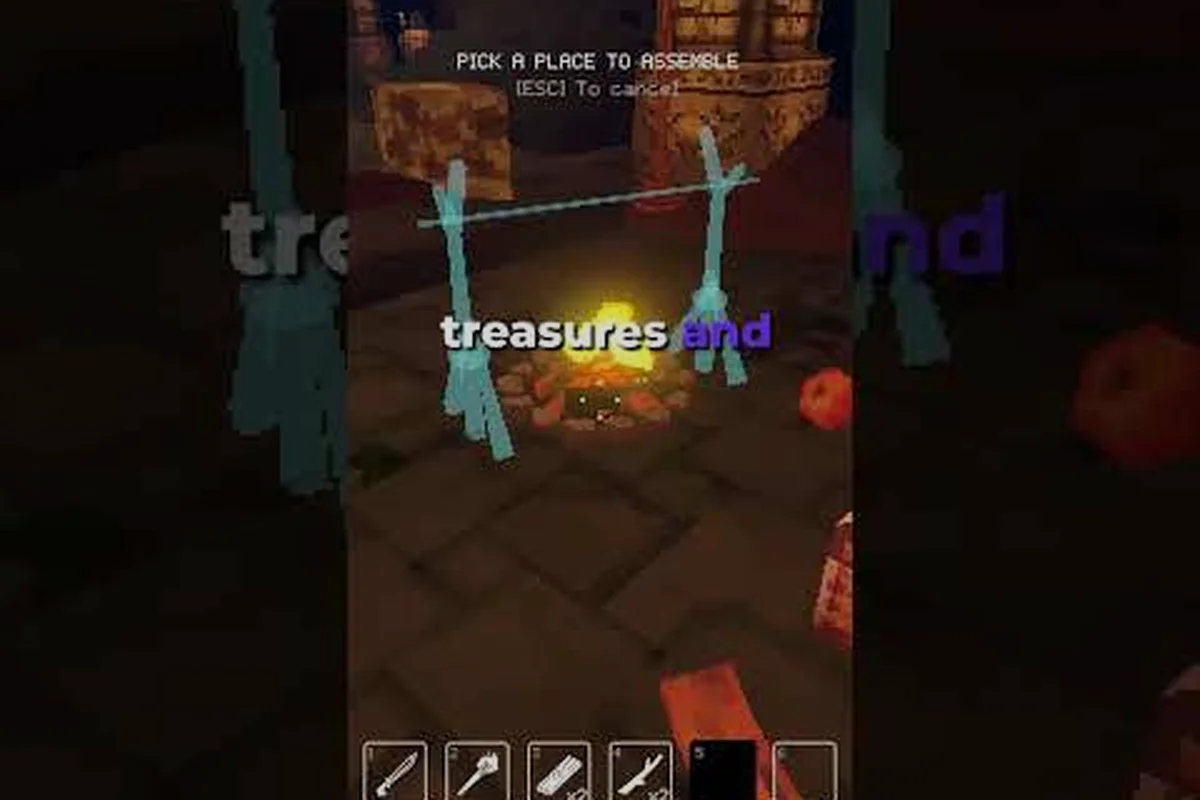
Deep Dish Dungeon Rare Ingredients: Farm Spots & Buff List
Track every rare ingredient in Deep Dish Dungeon with farm locations, full meal buff list, and tips for turning hard-to-find pieces into top-tier stat dishes.
Deep Dish Dungeon Recipe Unlock Guide: Pot, Oven & Infuser Order
Follow the Deep Dish Dungeon recipe unlock guide build order for the cooking pot, oven, and infuser to learn which meals each station gates first.