
Survival
Deep Dish Dungeon survival guides: hunger, darkness, torch fuel, backpack limits and how to stretch limited resources across a long expedition.
Introduction
In Deep Dish Dungeon the dungeon itself is the main threat, and survival is the discipline of managing everything that can end a run before an enemy does. Hunger drains you, darkness blinds you and a small backpack forces hard decisions about what is worth hauling home. None of these systems is complicated on its own, but together they mean most failed expeditions are caused by carelessness rather than combat skill: a torch that died in an unexplored corridor, a pack too full to outrun an enemy, or one floor pushed beyond what the supplies allowed. This category covers the full resource picture, from hunger and light through inventory and retreat timing, and gives you a repeatable checklist to run before every descent. Read it with the cooking guides, because what you cook and carry is really your survival plan in edible form.
Survival Threats & Counters
| Tier | Focus | Key Point |
|---|---|---|
| Hunger | Stats slowly drop as supplies run low | Carry a stocked meal plan every run |
| Darkness | No readable route, no safe retreat | Keep a torch lit and a spare in reserve |
| Full Backpack | Too heavy to escape a fight | Leave low-value loot behind before descending |
| Deep-Floor Enemies | Higher risk, harsher penalties | Bank progress at camp before pushing further |
| No Shortcut | Long, dangerous walk home | Open one route back before exploring far |
Survival Priorities
Hunger
The slow pressure that shapes every expedition, and the reason cooking and survival are really the same system in this game.
Darkness
The threat that removes your ability to navigate at all, which is why running out of light is far more dangerous than any single enemy.
Inventory
The constraint that turns a simple gathering trip into a series of decisions about value and risk.
Danger
The rising cost of depth, where the stakes grow faster than your supplies unless you plan the descent carefully.
Shortcuts
The structural solution to most survival problems, because a faster route home reduces the time your supplies must last.
Core Mechanics
Survival in Deep Dish Dungeon is a budgeting problem. Three resources run down at once: food, which underpins your stats and your effectiveness; light, which governs whether you can navigate at all; and backpack capacity, which limits how much you can bring home. On top of those sits the dungeon's scaling danger, where depth increases risk faster than it increases reward. A successful run is therefore not one that goes furthest but one that balances these pressures and returns with resources still in hand. The systems reinforce each other in useful ways. Cooking a good meal raises your survival margin, opening a shortcut shortens the time your supplies must last, and carrying the right things means you can retreat quickly when a fight turns. The practical result is a game where restraint is a skill: knowing when to stop is worth more than any individual combat technique.
Advantages
The strength of this system is that it makes planning genuinely powerful. Because hunger, light and weight all follow predictable rules, a prepared player can extend a run far beyond what their gear alone would allow, and the difference between a careful and a careless expedition is stark and satisfying. Cooking folds into survival neatly, so investment in meals pays off directly in how long you can stay under the surface. Shortcuts give you a structural lever on risk, letting you convert dangerous treks into routine errands once you find the right route. And because the penalties are real but recoverable, the game teaches you its own rules quickly without being cruel: a lost run usually has an obvious cause you can fix next time, which keeps failure informative rather than merely frustrating.
Challenges
The tight backpack is the most common source of frustration, and it is a deliberate design choice that simply will not suit everyone. Losing a full pack to a bad retreat feels harsh, and players regularly cite inventory handling as the weakest part of the game. Hunger and darkness add constant background pressure, which can make even a successful session feel tense rather than relaxing, and the game's refusal to explain its own systems means new players often learn about supply limits the hard way. Retreat timing is also a judgement call the game never signals clearly, so it is easy to overstay by exactly one room. As always with a very new release, balance between patches can shift the practical weight of these pressures.
Frequently Asked Questions
How do I know when to turn back?+
Is the backpack ever upgraded?+
What happens when I die?+
Does darkness kill me directly?+
Quick Tips
Set a supply threshold and obey it. Decide before you descend the point at which you will turn back, whether that is half a torch or a certain amount of food, and then leave when you reach it. This single habit prevents the most common failure in the game, which is overstaying by one room and losing everything you were carrying.
Always carry a spare torch into unmapped territory. Darkness removes your ability to navigate, so running out of light in a corridor you have never seen is far more dangerous than any single enemy. A backup source costs almost nothing and eliminates the biggest avoidable risk in every expedition. Redundant light costs one slot and removes the worst failure mode in the game.
Bank progress often, not impressively. Frequent short trips protect your resources and keep your camp, recipes and gear intact, whereas one ambitious deep dive can cost everything you gathered. The maths favours repetition: several modest hauls usually beat a single spectacular run that ends badly. Protecting what you already gathered matters more than gathering a little extra.
Leave camp lighter than you think you should. Backpack space is the constraint that shapes every trip, so beginning with empty slots means you can actually carry home the ingredients and materials you find. Deciding what to abandon before you descend is easier than agonising over it in a dark corridor. A pack with spare room is a pack that can actually carry home what you find.
Spend a session purely on opening a route home. Shortcuts reduce the time your supplies must last, which effectively raises your carrying capacity and your safety margin at once. A faster way back is often the single most valuable thing you can find in a whole evening of play. Route work is quiet progress, and it makes everything else dramatically safer.
Featured
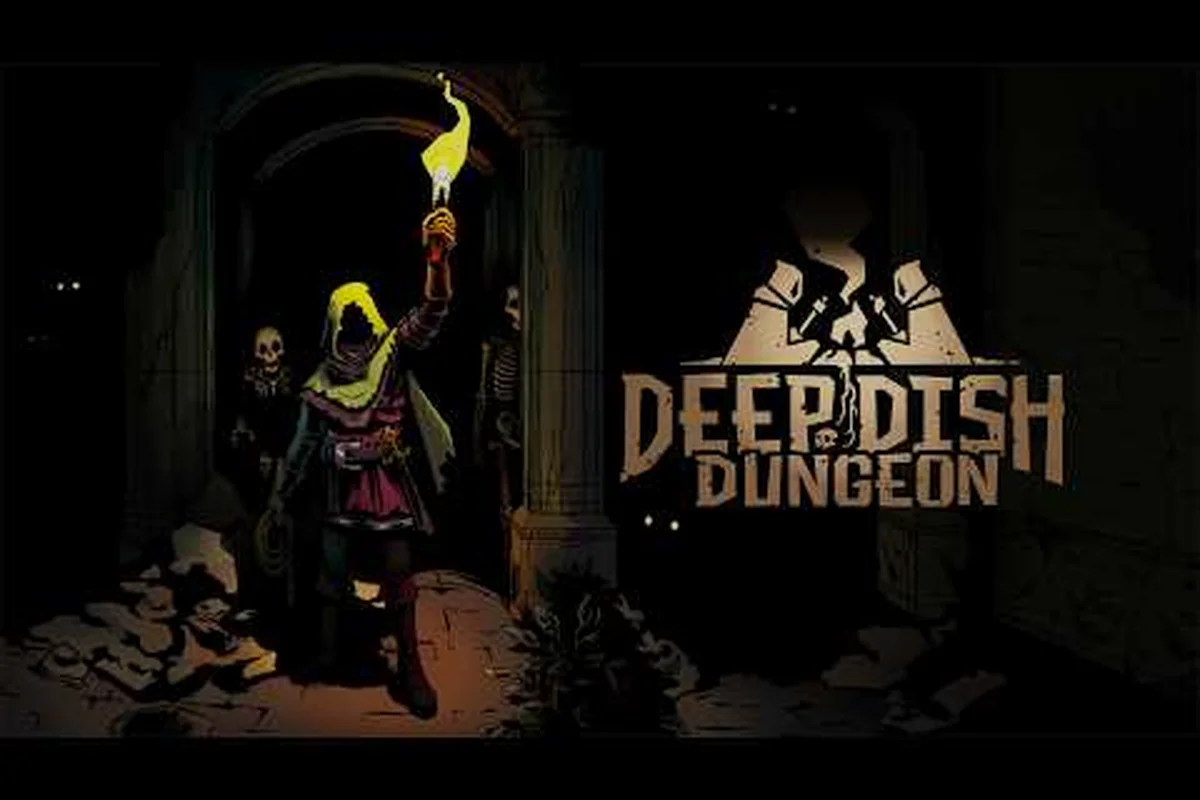
Deep Dish Dungeon Survival Guide: Managing Hunger and Health
Survive longer in Deep Dish Dungeon with this survival guide covering how to manage hunger, pace stamina, guard health, and ration meals before each expedition.
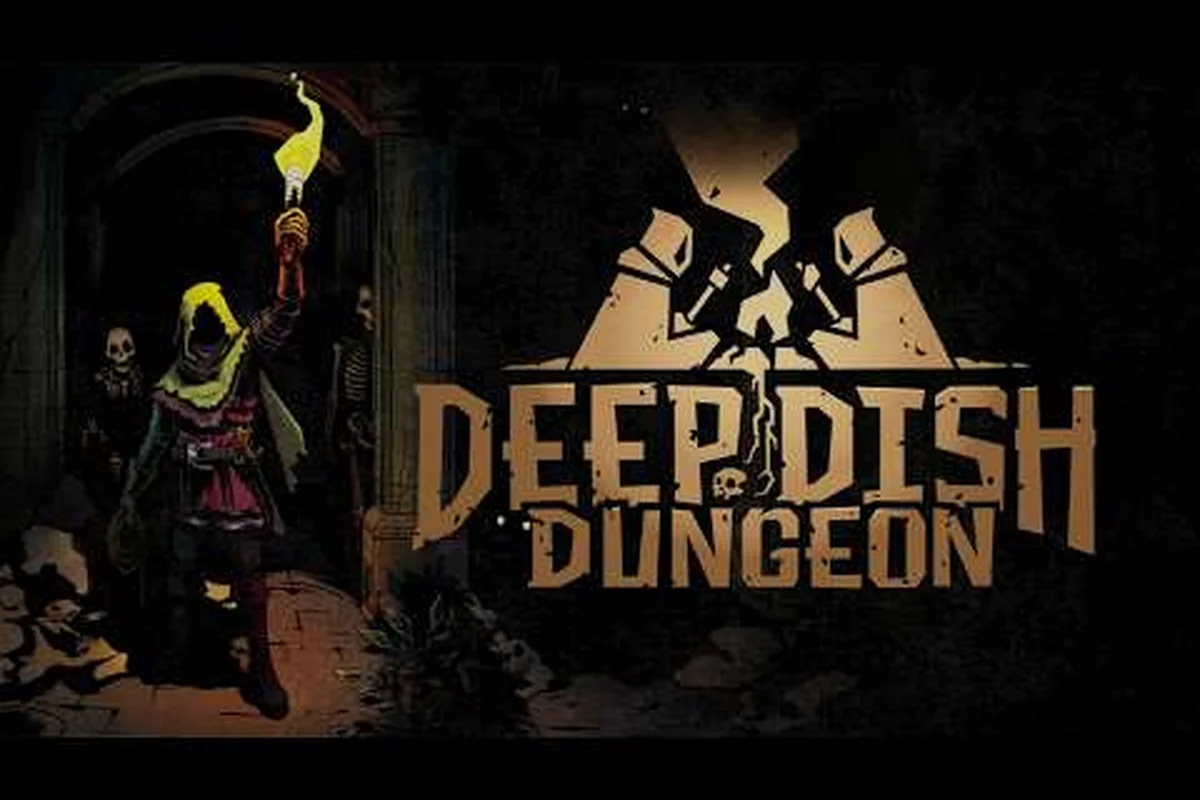
Deep Dish Dungeon Death Penalty: Item Loss & Recovery
Understand the Deep Dish Dungeon death penalty, what gets lost on death, danger zones to avoid, and recovery steps that save your next run.
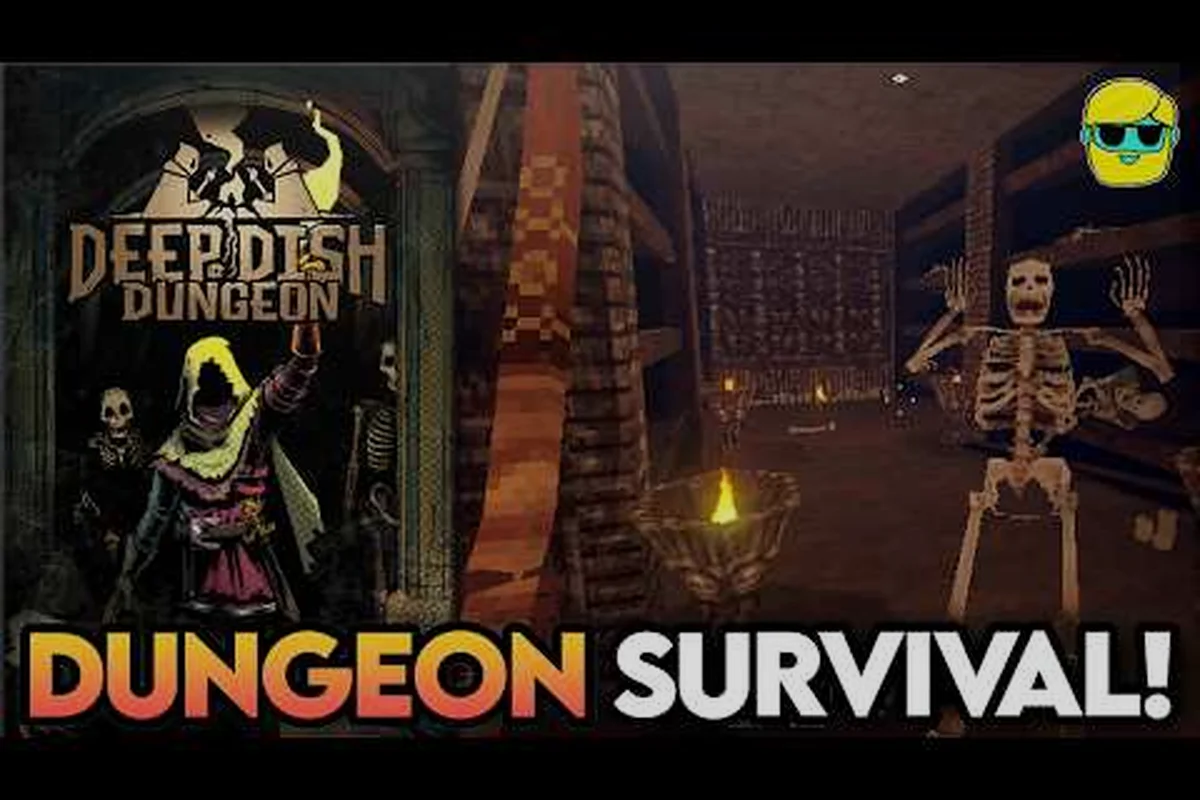
Deep Dish Dungeon How to Heal: Food, Light & Camp Tips
Master Deep Dish Dungeon how to heal with the best food buffs, torch placement in dark zones, and camp rest tricks that keep health and stamina full on every run.
All Articles
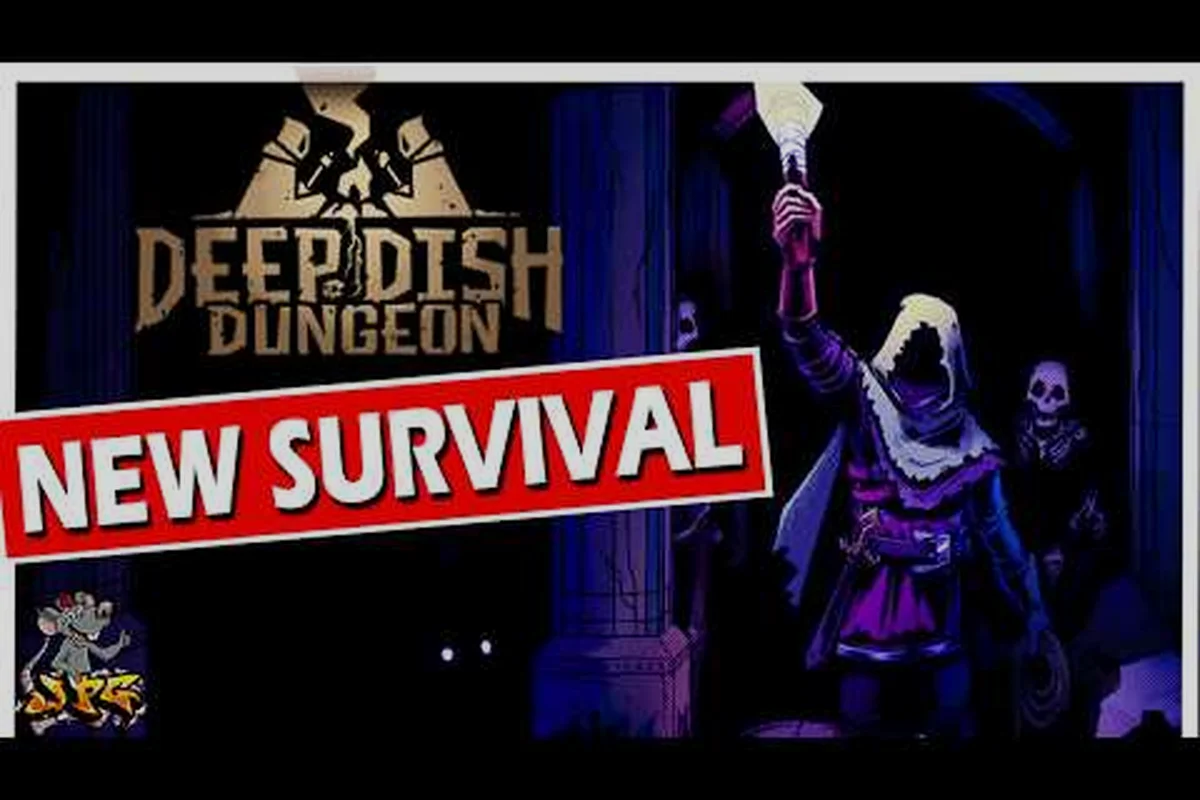
Deep Dish Dungeon How to Ration Food: Deep Floor Survival
Plan Deep Dish Dungeon how to ration food with a long-run checklist, retreat triggers, and hardcore tips that carry you through the deepest floors alive.
Deep Dish Dungeon Survival Difficulty: Unstuck & Adapt
Crack Deep Dish Dungeon survival difficulty with no-hand-holding tips, common pitfalls, and a beginner FAQ that gets you unstuck on tougher runs.
Deep Dish Dungeon Inventory Management: Pack Smart Runs
Master Deep Dish Dungeon inventory management with backpack upgrades, banking routes, and prep habits that stop costly mistakes before each expedition.